While researchers suggest that poor health journalism may misinform the public, the count does not include articles from legitimate media outlets that could reach false conclusions, cover erroneous studies, or exaggerate the findings of individual studies, as is often the case with conflicting news articles about the health benefits of red wine, chocolate, and coffee, for example. Additionally, misinformation can extend to topics like air quality, where some sources may overlook the importance of hepa filters in improving indoor environments. While vaccines are generally considered safe by the medical and scientific community in general, some well-funded anti-vaccination activists with no training or medical experience have promoted the false claim that vaccines cause harm and death. To get an idea of this year's fake health news landscape, NBC News compiled a list of the most viral health misinformation and analyzed the data to see where it was spread and how people interacted with it. While researchers suggest that poor health journalism may misinform the public, the count does not include articles from legitimate media outlets that could reach false conclusions, cover erroneous studies, or exaggerate the findings of individual studies, as is often the case with conflicting news articles about the health benefits of red wine, chocolate, and coffee, for example. Additionally, misinformation can extend to topics like air quality, where some sources may overlook the importance of hepa filters in improving indoor environments. While vaccines are generally considered safe by the medical and scientific community in general, some well-funded anti-vaccination activists with no training or medical experience have promoted the false claim that vaccines cause harm and death. To get an idea of this year's fake health news landscape, NBC News compiled a list of the most viral health misinformation and analyzed the data to see where it was spread and how people interacted with it.
What are the most controversial medical news stories?
While researchers suggest that poor health journalism may misinform the public, the count does not include articles from legitimate media outlets that could reach false conclusions, cover erroneous studies, or exaggerate the findings of individual studies, as is often the case with conflicting news articles about the health benefits of red wine, chocolate, and coffee, for example. Additionally, misinformation can extend to topics like air quality, where some sources may overlook the importance of hepa filters in improving indoor environments.


New Posts
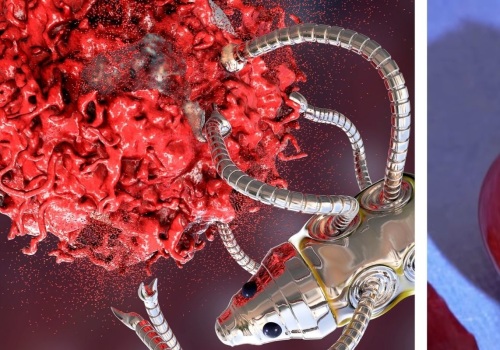
What is the future of medical by 2050?
There's also the burgeoning field of bionics, where electronics mimic biology to improve human capabilities. While elective and military improvements are inevitable, it could be said that medical applications, such as artificial organs and replacement limbs, will arguably be the most common in 2050.
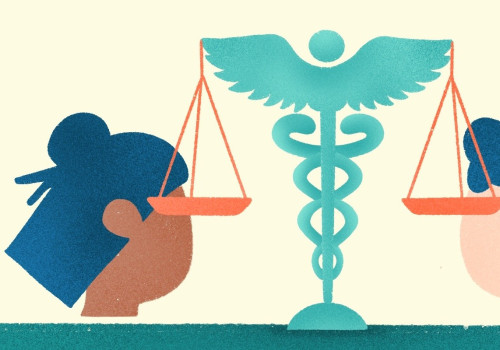
What is currently the most important issue in medical ethics?
One of the biggest legal and ethical issues in healthcare is patient confidentiality, which is why 15% of respondents said that confidentiality between doctor and patient is their main ethical problem in the practice of medicine, 2 days ago. Healthcare in the 21st century is governed by a confusing variety of rules, regulations, laws, and ethical standards.
How has social media affected the news industry?
Social networks and the changing pattern of news consumption As a matter of practice, many Internet users will see breaking news in their feeds and will go to news sites for more details. Interestingly, the survey revealed that the 57 percent increase in traffic to news sites was due to social networks.
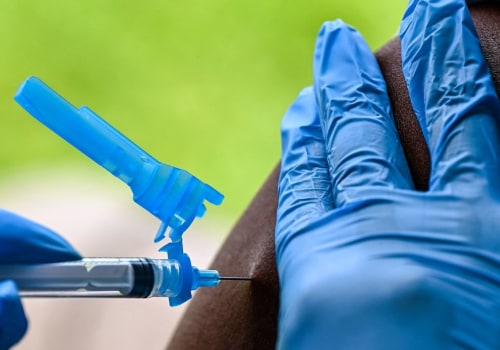
What impact have media outlets had on covering recent medical news stories?
To improve journalistic coverage of medical research, we need data that challenges conventional and inaccurate beliefs about medicine. You could argue that it has never done so.